

Immigration and Permanent Residency for Dentists: The healthcare sector in Canada offers strong career prospects, and dentistry ranks among the most in-demand professions across multiple provinces. If you earned your dental qualifications outside Canada and plan to move here, you should understand the immigration and permanent residency (PR) process as well as the licensing steps required to practice.
This guide explains everything you need to know — visa options, NOC codes, licensing requirements, and PR pathways.
1. Understanding the Growing Demand for Dentists in Canada
Canada’s aging population and increased awareness of oral health have created a strong demand for qualified dentists. This trend offers an excellent opportunity for internationally trained dentists and specialists who want to relocate and build a career in Canada.
Provinces such as Ontario, Alberta, Saskatchewan, Nova Scotia, and British Columbia often list dentistry among their in-demand occupations. This listing makes it easier for dentists to qualify for immigration and apply for permanent residency under skilled worker programs.
2. National Occupational Classification (NOC) Code for Dentists
The National Occupational Classification (NOC) system identifies and categorizes occupations in Canada. It plays a crucial role in immigration and job matching.
Dentists fall under NOC 31110 – Dentists, according to the NOC 2021 update.
Using the correct NOC code ensures that your application fits within the skilled worker category, whether you apply through Express Entry or a Provincial Nominee Program (PNP).
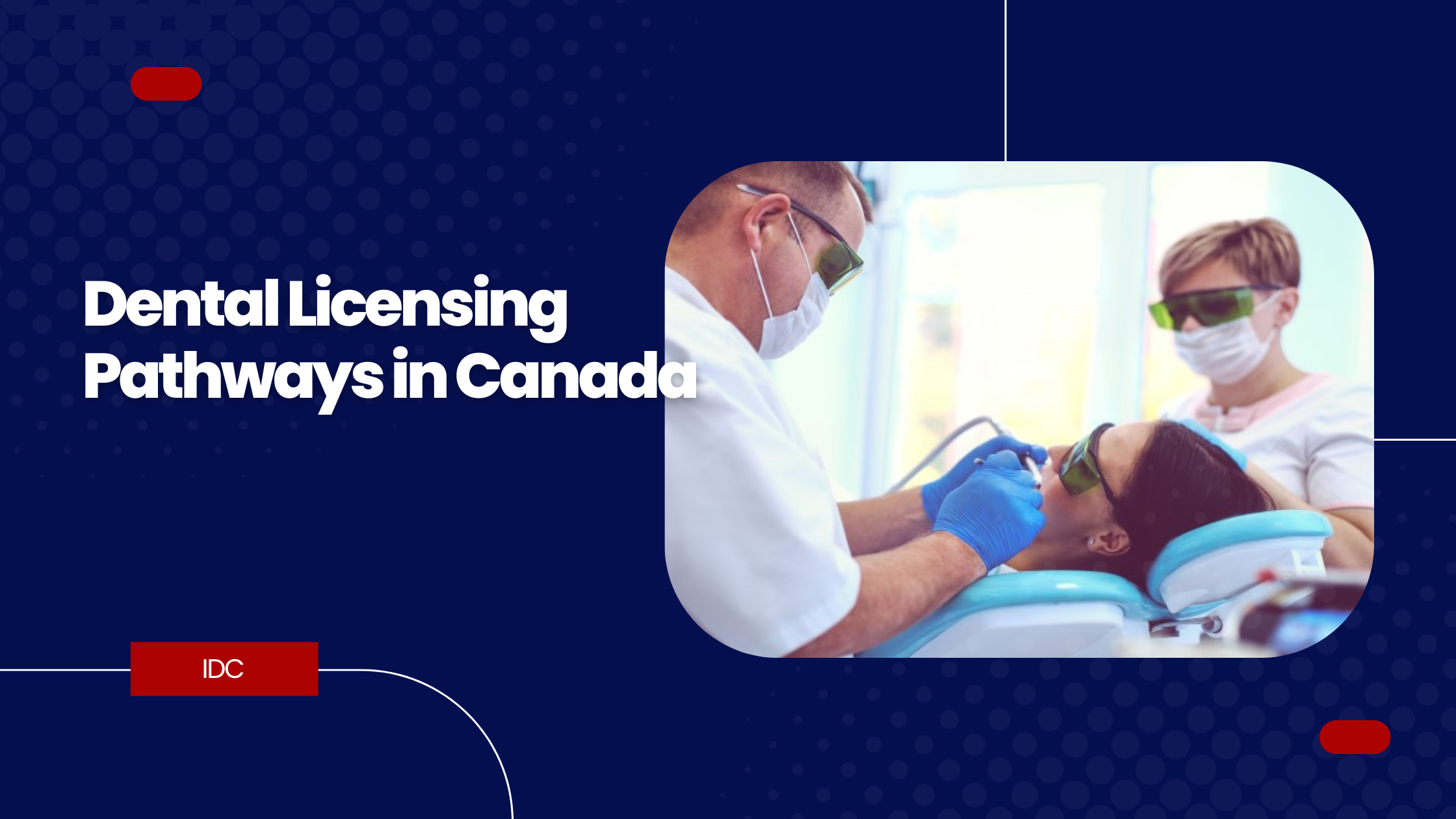
3. Licensing Requirements to Practice Dentistry in Canada
You can apply for Permanent Residency at any stage, but you can only practice as a licensed dentist after earning certification from the National Dental Examining Board of Canada (NDEB).
To qualify, you must complete one of the following:
- The NDEB Equivalency Process, or
- An accredited dental degree from a Canadian university.
If you haven’t completed your licensing yet, you may still immigrate as a skilled worker. However, you’ll need to work in related roles — such as a dental assistant, researcher, or educator — until you obtain full licensure.
For immigration purposes, have your foreign dental degree assessed through an approved organization like World Education Services (WES) or ICAS Canada.
For licensing, your credentials go through a separate evaluation under the NDEB Canada Verification Service.
4. Benefits of Canadian Permanent Residency (PR) for Dentists
Once you receive Canadian PR, you gain several valuable rights and opportunities:
- Freedom to live and work anywhere in Canada.
- Access to free healthcare and public education for you and your family.
- Eligibility for citizenship after meeting residency requirements.
- The ability to open your own dental practice or join an existing one.
- A chance to sponsor immediate family members, making relocation smoother for your loved ones.
These benefits make PR an attractive goal for dentists who plan to establish long-term careers in Canada.
5. Key Considerations Before You Move
Before relocating, review the licensing timelines for your target province. Some regions may have additional steps or longer processing times.
Plan a realistic budget to cover your equivalency exams, study materials, and potential university courses. The full licensing process can take two to three years.
Join a professional dental association early, such as the Canadian Dental Association (CDA) or your provincial dental college, to begin networking and learning about local industry standards.
Keep your English or French language test scores (IELTS or CELPIP/TEF) valid. These results are required for immigration and employment.
6. Combining Immigration and Education Pathways
Many international dentists choose to study in Canada first. Enrolling in an advanced standing or bridging program can ease the transition into the Canadian system.
After completing your studies and gaining work experience, you can apply for PR through the Canadian Experience Class (CEC).
Both pathways — direct immigration or study-to-PR — help strengthen your Comprehensive Ranking System (CRS) score and improve your chances of permanent settlement.
7. Planning for Success
Becoming a licensed permanent resident dentist in Canada requires both strategic planning and commitment. You’ll need to manage two key goals: qualifying for immigration and meeting NDEB licensing standards.
Understanding programs such as Express Entry, PNPs, and the NDEB equivalency process allows you to make informed decisions that align with your career ambitions.
Whether you decide to immigrate directly or study first, Canada offers a stable and rewarding environment for skilled dental professionals ready to take the next step.secure and rewarding environment for skilled dental practitioners looking to take the next step.