Moving to Canada can provide many opportunities and some challenges for internationally trained dentists. One of the largest challenges is having to comply with Canadian licensure requirements to be able to practice dentistry in Canada. Bridging programs have been developed to assist Foreign-trained dentists in developing Canadian standards required to obtain the necessary knowledge, skills and credentials to practice in Canada.
What are Bridging Programs?
Bridging programs are formalized structured education that assist internationally trained professionals in adapting their education and credentials to Canadian Standards.
Examples of bridging programs for Dentists Include:
- Clinical Exposure to Canadian Dental Workplace
- Courses on Canadian Dental Regulations, Ethics and Standards
- Hands-on Practicals with Patients
- Assistance in Preparing for Evaluative Exams (i.e., NDEB Equivalency Process)
Why International Dentists Need Bridging Programs
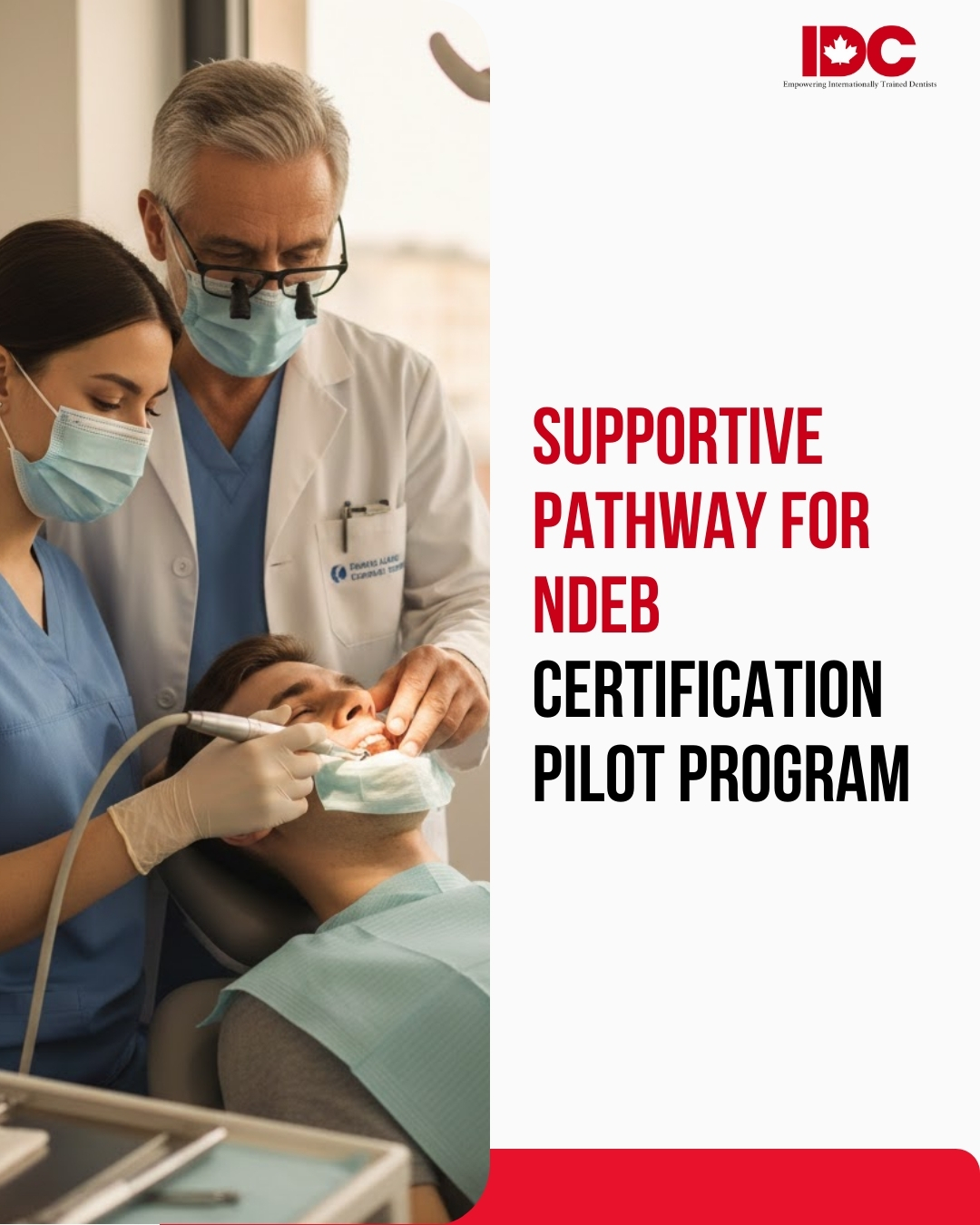
The regulation of the Dentistry profession in Canada is very strict. As a result, even those who have acquired a valid degree from outside of Canada can only practice Dentistry if they meet the NDEB (National Dental Examining Board of Canada) requirements.
Bridging Programs provide:
- Improved clinical skills to meet Canadian standards
- More experience with Canadian patients
- Preparation for licensing examinations
- More employment opportunities in Canada
Types of Bridging Programs
- Academic Bridging Programs – These programs are offered by universities and dental colleges. Academic Bridging Programs focus on theory, including laws and ethics in dentistry in Canada. Some programs include classroom learning, while others have both online and in-class courses.
- Clinical Bridging Programs – Clinical Bridging Programs provide students with hands-on clinical training through dental clinics and enable the student to work under supervision (often referred to as a dental intern). Students will also be able to develop an understanding of how to provide patient care, as per Canadian standards.
- Comprehensive Bridging Programs – These programs of training typically combine academic and clinical training and usually require between 6 and 12 months to complete. Many Comprehensive Bridging Programs provide study materials to assist in preparing for the NDEB Equivalency Exam.
Popular Bridging Programs in Canada for Dentists
Here are some examples of different kinds of dental overseas graduates bridging courses available:
- University of Toronto – Bridging Program for Foreign-Trained Dentists
- British Columbia – Internationally Educated Dentist Bridging Program
- University of Alberta – Bridging Program for Foreign-Trained Dentists
- McGill University’s Graduate Program for Foreign-Trained Dentists
You will need to determine whether or not your programme has NDEB Canada accreditation before you can apply to register to practise dentistry.
How to Choose the Right Bridging Program
- Ensure that the program is recognized by the NDEB so that you know it is an accredited program.
- Verify whether or not the program meets academic and clinical requirements in the curriculum.
- Check how long the programs are and their tuition fees.
- Ensure that the locations of the programs have good support locations (i.e. great availability of needed facilities), and find out if there are advanced clinics located near the program’s location.
- Take advantage of any available support services for getting licensure exam preparation materials, for helping you obtain placement assistance through networking opportunities, and for obtaining job placement assistance.
Benefits of Completing a Bridging Program
- A better knowledge of both ethical and regulatory frameworks related to dentistries across Canada
- Enhanced clinical skillsets through hands-on experience working within Canada’s patient population
- Increased rate of success when taking NDEB equivalency examinations
- New job opportunities within the Canadian dental workforce
The bridging program is critical to establishing yourself within the Canadian dental workforce. It provides you with the skills and confidence necessary to practice as a dentist in Canada, while ensuring that you meet the minimum licensing requirements.
By selecting the correct program, preparing early, and completing your education as quickly as possible, you increase the likelihood of creating a successful career for yourself within Canada’s dental workforce.